The engineering checks that turn a promising AI demo into a reliable, observable workflow your team can operate.
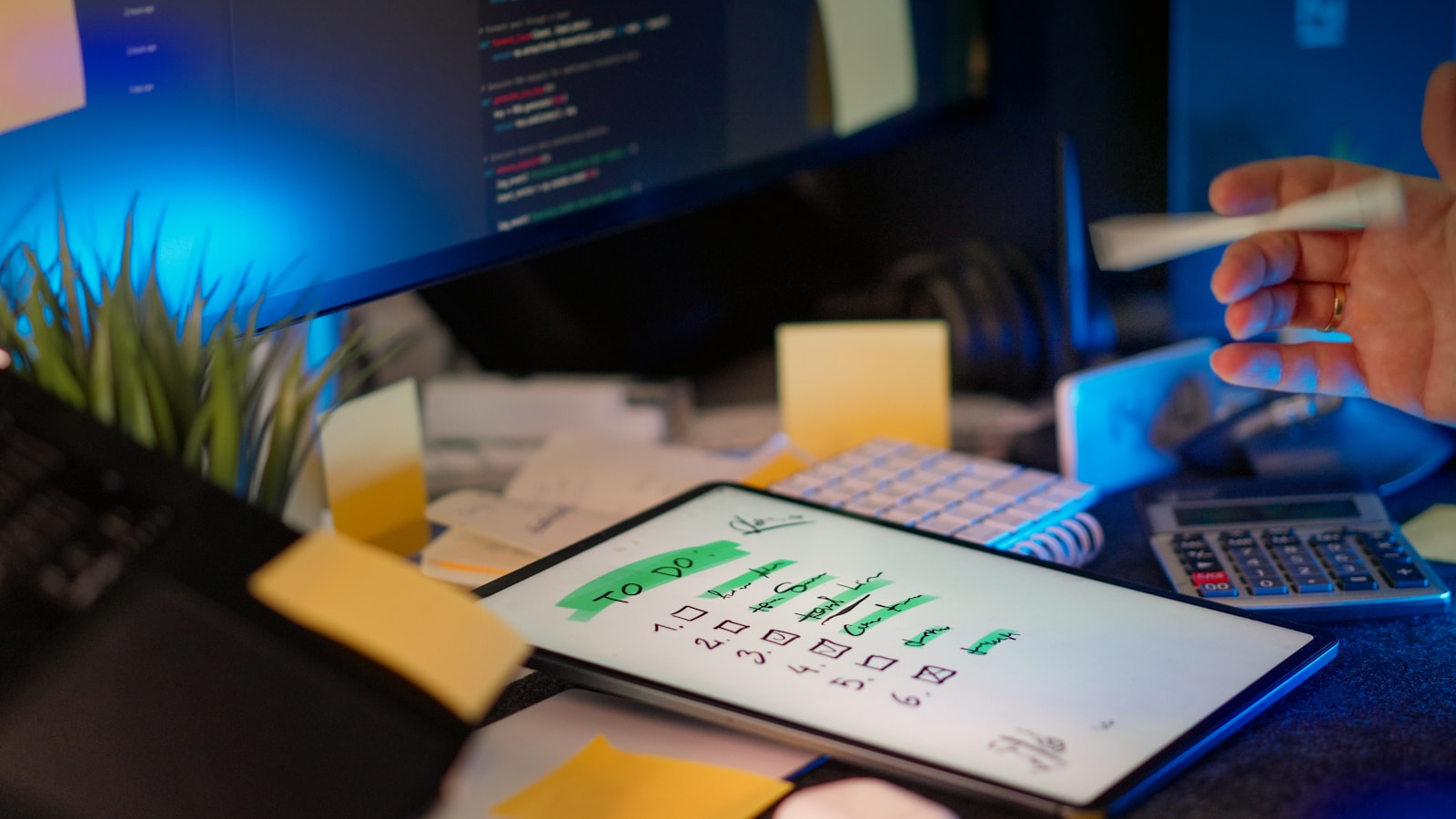
An AI workflow is production-ready when a team can predict how it behaves, see when it fails, and recover without guessing. The model is only one component. Data quality, permissions, validation, monitoring, and operational ownership determine whether the system survives real use.
Define required fields, accepted formats, and structured outputs for every step. Validate model responses before they reach another system, and reject or repair incomplete results rather than silently passing them forward.
Let the model interpret unstructured information, but place deterministic rules around consequential actions. Permission checks, business constraints, approval thresholds, and idempotency guards should run before a record is changed or a message is sent.
Track latency, cost, validation failures, tool errors, escalation rate, and the final business outcome. Logs should connect a user request to the sources retrieved, model decision, tool calls, and resulting system changes.
Document who reviews incidents, updates knowledge, approves prompt or model changes, and decides when the workflow should be paused. Production readiness is an operating model, not a launch checklist completed once.
A production-ready AI workflow is constrained, testable, observable, and recoverable. Those qualities are less exciting than a demo, but they are what make automation dependable enough to become part of daily operations.